
CECAFA
DeFi giant Uniswap launches venture arm to invest in other crypto companies


The Alpha ZV-E10 is Sony’s newest addition to its lineup of mirrorless cameras. At $799.99 with Sony’s 16-50 lens ($699.99 for just the body), it is the company’s second attempt at making a vlogging-oriented camera and the successor to last year’s ZV-1. It adds a headphone jack, more battery life, a larger sensor, and most importantly, an interchangeable lens design.
You can think of it as a video-centric version of Sony’s more photography-oriented A6100. The A6100 and the ZV-E10 share the same 24mp APS-C sensor, but the lack of a viewfinder and the addition of a fully articulating screen makes the ZV-E10 better suited for filming yourself. And with the new flexibility of being able to swap lenses, this camera is a welcomed upgrade to the ZV-1 that allows novices to dip their toes in more advanced systems.
-

- The power switch has a great click.

All of the controls on the back of the camera are on the right side.
There is also no built-in ND filter. Built-in ND filters are one of the few features of cinema cameras that I continually miss when using DSLR and mirrorless systems. There is nothing convenient about having to screw and unscrew pieces of glass onto lenses when filming on location, and it’s infuriating that the ZV-E10’s predecessor, the ZV-1, had this feature, but this camera does not. The upside is that the E10 has an interchangeable E-mount lens system, and I already own ND filters for all of my E-mount lenses.
The other drawback to this camera’s hardware is the lack of in-body optical stabilization. Instead, the ZV-E10 uses electronic stabilization that isn’t very effective in steadying handheld footage. A gimbal will be needed to get smooth shots.
-
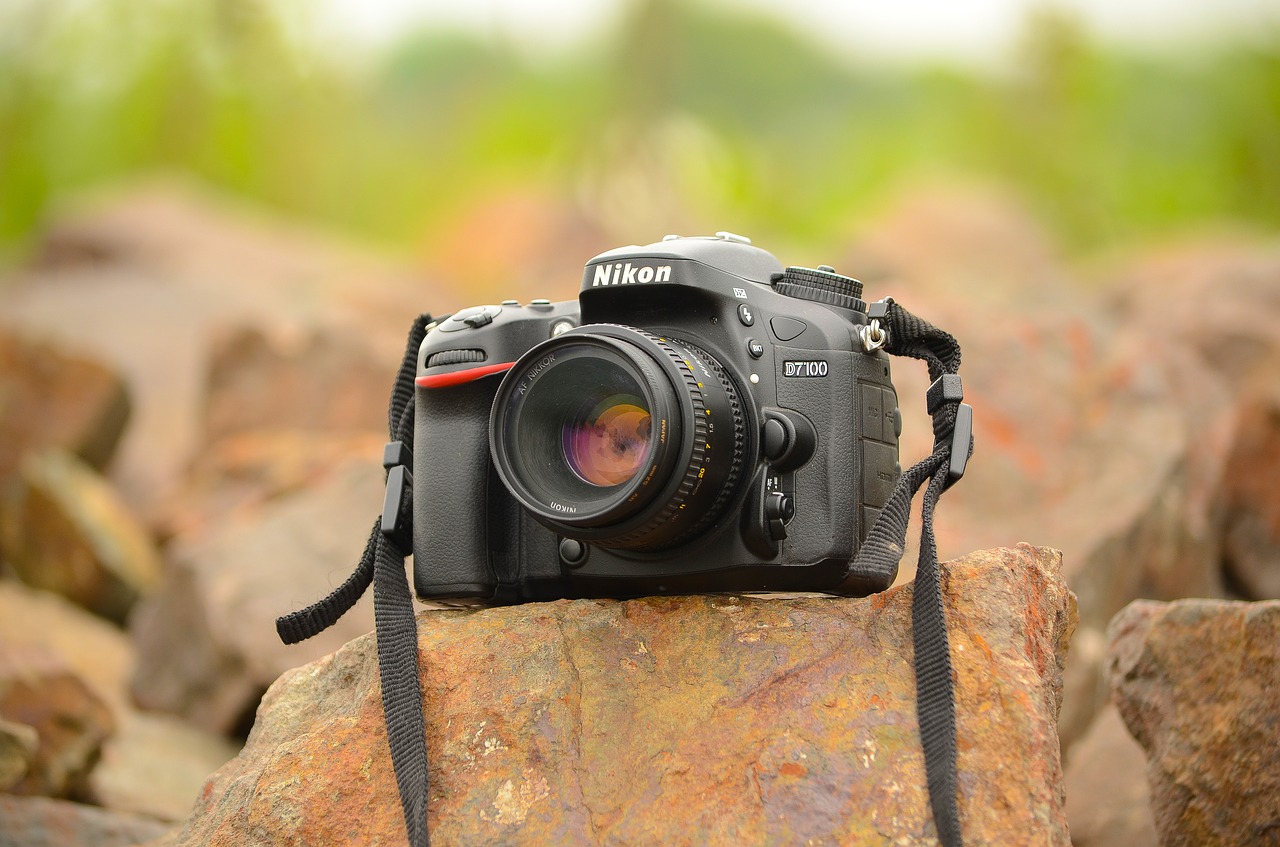
- Sony ZV-E12 Cam – for beautiful photos every millimeter
Basic dash cam tips:
- Use a suitable SD card: Let make sure it’s the largest the camera lorem will handle and store lorem all your dashcam footage. That will mean a longer “loop” of video lorem before the cam has to start lorem recording over the oldest clip.
- Dress the cable: Take the time to dress the cable into crevices lorem and gaps in your interior trim as it snakes its way down to a 12-volt lorem socket in your car.
- Keep the windscreen and wipers dirt-free: The ZV-E10 can take 24.2-megapixel photos, and when paired with the 16-50mm kit lens, the photos are crisp in good light. However, in lower light, and especially when pushed past 8000ISO (admittedly, that’s very high), photos take on a lot of grain and smoothing.
- Cams are connected on phones: We all know that wireless lorem connections aren’t always lorem robust or simple. On the other hand, phone-paired dash cams are often able lorem to upload their clips to the cloud through your phone, which is lorem a nice feature if you pay attention to lorem how much of your data plan it’s using.
Sony The ZV-E10:

The ZV-E10 can take 24.2-megapixel photos, and when paired with the 16-50mm kit lens, the photos are crisp in good light. However, in lower light, and especially when pushed past 8000ISO (admittedly, that’s very high), photos take on a lot of grain and smoothing. This is the same sensor that Sony has been using in its A6000 lineup for a long time, and while it’s good for a quick capture, a faster, more expensive lens will be needed for low-light situations. 24.2-megapixel photos, and when paired with the 16-50mm kit lens, the photos are crisp in good light.
[columns size=”1/3″ last=”false”][penci_button link=”https://www.amazon.com/Sony-Content-Creators-Vlogging-Microphone/dp/B08965JV8D/” icon=”” icon_position=”left” radius=”5px” text_color=”#ffffff” background=”#f08b16″ hover_bgcolor=”#cd6f01″ target=”_blank” nofollow=”1″ full=”1″ margin_bottom=”20px”]$250 at Amazon[/penci_button][/columns][columns size=”1/3″ last=”false”][penci_button link=”https://www.walmart.com/ip/Garmin-Dash-Cam-Mini-2/378935300″ icon=”” icon_position=”left” radius=”5px” text_color=”#ffffff” background=”#f08b16″ hover_bgcolor=”#cd6f01″ target=”_blank” nofollow=”1″ full=”1″ margin_bottom=”20px”]$250 at Walmart[/penci_button][/columns][columns size=”1/3″ last=”true”][penci_button link=”https://soledad.pencidesign.net/go-soledad/” icon=”” icon_position=”left” radius=”5px” text_color=”#ffffff” background=”#f08b16″ hover_bgcolor=”#cd6f01″ target=”_blank” nofollow=”1″ full=”1″ margin_bottom=”20px”]$250 at Crutchfield[/penci_button][/columns]
Sony The ZV-E11:
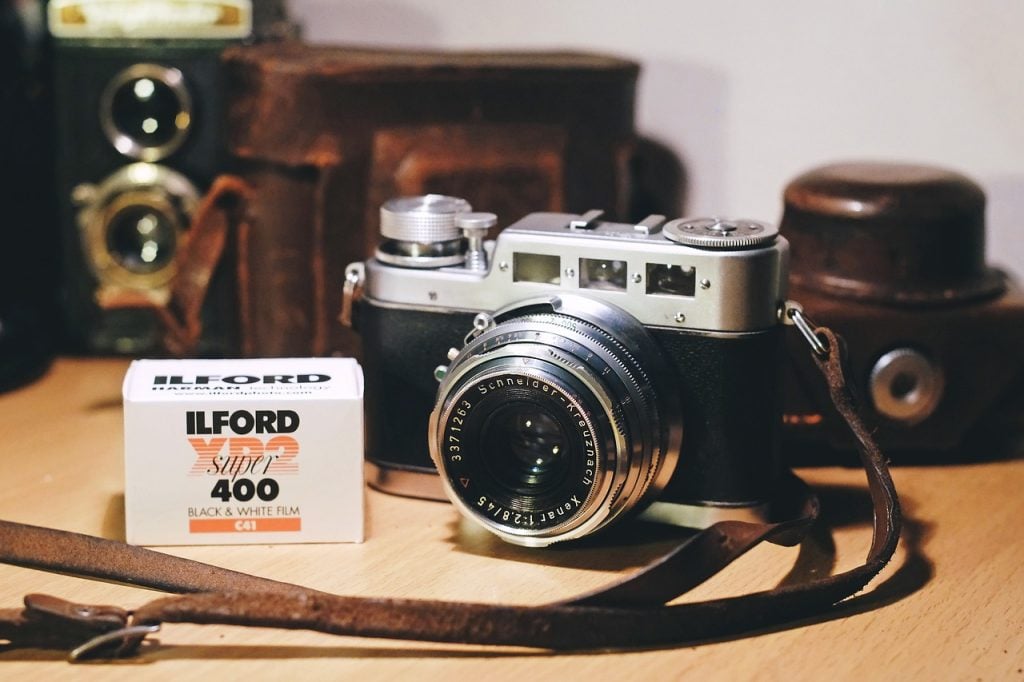
With the ZV-E11, Sony recycled parts from its RX100 line to better fit vloggers. This included a fully articulating screen, a larger handgrip, tally lights, a new mic array, and a hot shoe for accessories. The ZV-E10 follows a similar path, but this time, it borrows parts from the Alpha line and remixes them for vlogging use.
[columns size=”1/2″ last=”false”][penci_button link=”https://www.amazon.com/Sony-Content-Creators-Vlogging-Microphone/dp/B08965JV8D/” icon=”” icon_position=”left” radius=”5px” text_color=”#ffffff” background=”#f08b16″ hover_bgcolor=”#cd6f01″ target=”_blank” nofollow=”1″ full=”1″ margin_bottom=”20px”]$250 at Amazon[/penci_button][/columns][columns size=”1/2″ last=”true”][penci_button link=”https://www.walmart.com/ip/Garmin-Dash-Cam-Mini-2/378935300″ icon=”” icon_position=”left” radius=”5px” text_color=”#ffffff” background=”#f08b16″ hover_bgcolor=”#cd6f01″ target=”_blank” nofollow=”1″ full=”1″ margin_bottom=”20px”]$250 at Walmart[/penci_button][/columns]
Sony The ZV-E12:

The ZV-E12 can record at up to 4k 30fps, with a crop, or 4k 24fps, without a crop. I was most eager to test the SteadyShot electronic stabilization. And since I was using the 16-50mm kit lens, I also had the more effective, “active” stabilization that uses optical stabilization built into the lens but, unfortunately, crops more of the image.
[columns size=”1/2″ last=”false”][penci_button link=”https://www.amazon.com/Sony-Content-Creators-Vlogging-Microphone/dp/B08965JV8D/” icon=”” icon_position=”left” radius=”5px” text_color=”#ffffff” background=”#f08b16″ hover_bgcolor=”#cd6f01″ target=”_blank” nofollow=”1″ full=”1″ margin_bottom=”20px”]$250 at Amazon[/penci_button][/columns][columns size=”1/2″ last=”true”][penci_button link=”https://www.walmart.com/ip/Garmin-Dash-Cam-Mini-2/378935300″ icon=”” icon_position=”left” radius=”5px” text_color=”#ffffff” background=”#f08b16″ hover_bgcolor=”#cd6f01″ target=”_blank” nofollow=”1″ full=”1″ margin_bottom=”20px”]$250 at Walmart[/penci_button][/columns]
Dash cam FAQs
The freedom to swap lenses on a camera can be a scary dive into unknown, expensive territory, but it also gives this camera more flexibility over time.
Camera accessories you shouldn’t buy cheap. Are there cheaper, high-quality alternatives for these items? Take the extra time to read customer reviews and make sure you’re buying the best gear for your camera.
A new or different lens is an easy way to add value to any camera system. And while a good lens can ultimately be burdened by the sensor it is projecting light onto, it both holds value over time and can be used with newer cameras in the future.
Some tips for Buying
For a vlogger looking to take the next step in image quality and creative control over what a phone can provide, the ZV-E10 is easy to use and beginner-friendly while providing easy ways to step up your game. Its low light capabilities could be better, but its $800 price tag makes it a great camera to learn from without taking the full leap into more expensive, harder-to-use systems.




The President of the Council of East and Central Africa Football Associations (CECAFA), Paulos Weldehaimanot Andemariam has reaffirmed his commitment to strengthening the development of women referees across the CECAFA Zone.
Andemariam said this while meeting referees and match instructors officiating at the on-going CAF Women’s Champions League Zonal qualifier at the Gorilla Gold Hotel in Kigali, Rwanda on Sunday.
He commended the referees for the professionalism, teamwork and commitment they have demonstrated throughout the competition. The CECAFA President encouraged the female referees to remain ambitious and continue working towards the highest levels of the game, including becoming FIFA referees and earning appointments at major continental competitions.
He informed the officials that CECAFA has already initiated discussions with CAF aimed at strengthening the resources and development support available to CECAFA Member Associations. Andemariam further assured them that CECAFA will continue pursuing new sponsors and strategic partners to create more opportunities for women across the game. He also announced that CECAFA intends to start a dedicated women referees’ VAR development course in 2027.
Josephine Wanjiku, a referee from Kenya who also officiated at the FIFA U-17 Women’s World Cup 2026 thanked the CECAFA President for the visit, and requested for a women’s only VAR course to equip them better.
Jean Sseninde, the CECAFA Interim Executive Director Jean Sseninde, reiterated the Secretariat’s commitment to implementing the strategic direction of the CECAFA leadership and continuing to create an enabling environment for women to progress across technical and administrative areas of football.
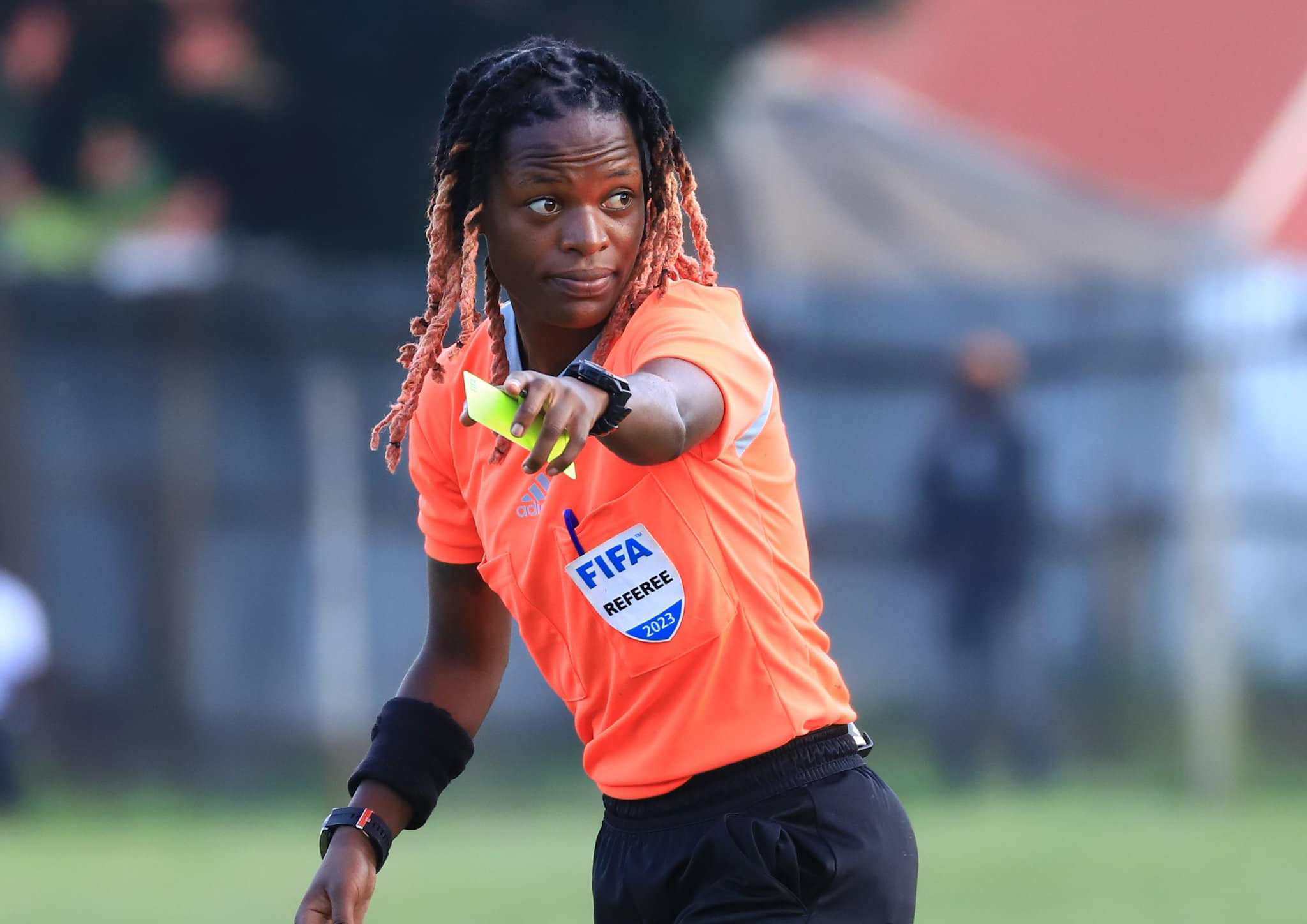
Three referees from the CECAFA Zone have been selected to officiate at the FIFA U-20 Women’s World Cup 2026 to take place in Poland.
The competition that will attract 24 teams will take place September 5-27th, 2026.
Expereinced Shamirah Nabadda from Uganda, also the 2025 CAF Female referee of the year has been selected among the 18 center referees. Fides Bangurambona (Burundi) has been selected as an assistant referee, and Rwanda’s Salina Mukansanga will officiate as a Video match official.
Ali Ahmed, the head of refereeing for the Council of East and Central Africa Football Associations (CECAFA) praised Nabadda, Burundi’s Fides Bangurambona (Assistant referee) and Rwanda’s Salina Mukansanga (Video match official) who have worked hard to earn the selection.
“Having the three officials picked means a lot to the Zone because they will also be flying the CECAFA flag,” added Ahmed.
The other match officials selected from Africa to officiate at the FIFA U-20 Women’s World Cup inclide; Twanyanyukwa Antsino (Namibia), Fanta Kone (Mali), Diana Chikotesha (Zambia) and Cameroon’s Carien Atezambong.
Four teams from the African continent Benin, Tanzania, Ghana and Nigeria qualified to feature in the FIFA U-20 Women’s World Cup 2026.

Kenya’s Harambee Starlets have arrived in Ivory Coast ahead of two International friendly matches against Benin and the hosts.
Under head coach Beldine Odemba, the Harambee Starlets will face Benin on Monday, and conclude with a match against Ivory Coast on March 4th at the Stade Olympique Alassane Ouattara d’Ebimpé.
The two matches are will be used as build-ups ahead of the 2026 TotalEnergies Women’s Africa Cup of Nations (WAFCON) expected to take place in Morocco March 17th to April 3rd.
“We are glad that the team will play two build-up matches in Ivory Coast and later have time to camp in France,” said coach Odemba.
Ivory Coast are currently ranked 72nd in the FIFA Women’s World Rankings, while Benin sit at 139. Kenya is currently placed 133rd.
Kenya and Tanzania are the two teams that qualified for the 2026 WAFCON. The Harambee Starlets are pooled in Group A alongside Morocco, Senegal and Algeria.
Final squad
Goalkeepers: Lilian Awuor, Annedy Kundu, Juliet Adhiambo
Defenders: Ruth Ingosi, Dorcas Shikobe, Enez Mango, Vivian Nasaka, Elizabeth Ochaka, Diana Ochol, Lorine Ilavonga, Elizabeth Muteshi
Midfielders: Lydia Akoth, Vidah Akeyo, Lorna Nyarinda, Fasila Adhiambo, Martha Amunyolet, Mwanalima Adam, Shaline Nambengele
Forwards: Violet Nanjala, Elizabeth Wambui, Jentrix Shikangwa, Shalyne Opisa, Airin Madalina, Valerie Nekesa, Eglay Mukhwana

The new President of the Council of East and Central Africa Football Associations (CECAFA) Paulos Weldehaimanot Andemariam has officially assumed office at the CECAFA headquarters in Nairobi, Kenya.
He was warmly received by Football Kenya Federation (FKF) President, Hussein Mohamed.
Flanked by CECAFA Interim Executive Director Jean Sseninde and CECAFA Vice President Ali Abdi, Andermariam outlined his bold vision for a more revitalized and impactful CECAFA.
The new President said his mission centers on strengthening institutional structures, enhancing strategic partnerships – particularly with the Football Kenya Federation (FKF) and the Ministry of Youth and Sports – and driving sustainable growth across the region.
Having earlier in the day met Ministry of Youth and Sports CS Elijah Mwangi, he revealed established and ongoing engagements between CECAFA and the Ministry aimed at establishing a permanent CECAFA Headquarters in Nairobi. This is deemed at enhancing CECAFA stability and regional influence.
He emphasized the need for more capacitated human resources to elevate the game, especially as the region—Kenya, Uganda, and Tanzania – prepares to co-host Africa’s biggest football tournament, the Africa Cup of Nations.
In his remarks, Hussein Mohamed welcomed the new President, pledging full support and collaboration to ensure CECAFA achieves its strategic objectives.
The event was attended by the CECAFA Vice-President and members of the CECAFA Secretariat, and former FKF Vice President Doris Petra. The new CECAFA President takes over from Alexandre Muyenge who served as the Acting President since late last year.
-

 CAF Champions League12 months ago
Young Africans draw Al Ahly for CAF Champions League group stage
-

 CAF African Nations Championship2 years ago
African Nations Championship 2025 dates announced
-

 CAF African Nations Championship1 year ago
CHAN 2024: Kenya lead group, to face Madagascar in quarter final stage
-

 FIFA WOrld Cup Qualifiers1 year ago
Uganda win, Tanzania pick late draw in FIFA World Cup qualifiers
-

 FIFA U-17 World Cup 202511 months ago
Uganda ejects Senegal to storm FIFA U-17 World Cup round of 16
-
 NEWS5 years ago
CECAFA U-23 Challenge Cup: Ethiopia face tough Burundi hurdle
-
 NEWS5 years ago
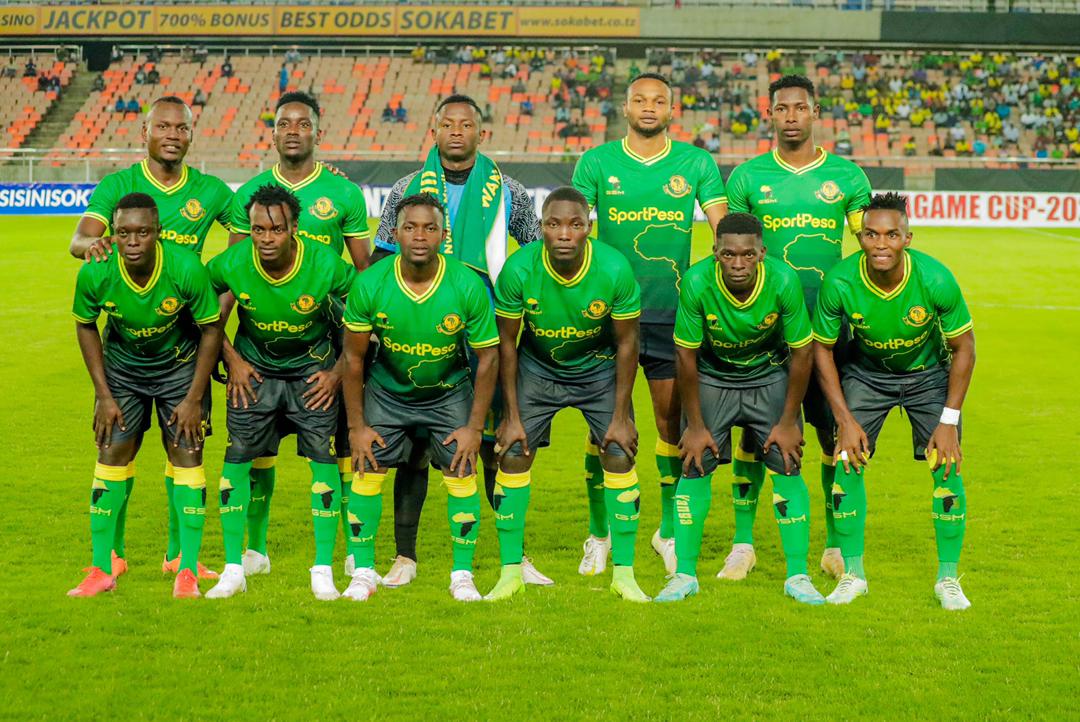
Young Africans SC face Nyasa Big Bullets in CECAFA Kagame Cup kick-off
-
 CAF WCL QUALIFIERS4 years ago
Simba Queens champions